The Best Smart Bird Feeders of 2026, Tested
Michal ElyasafJul 223 min read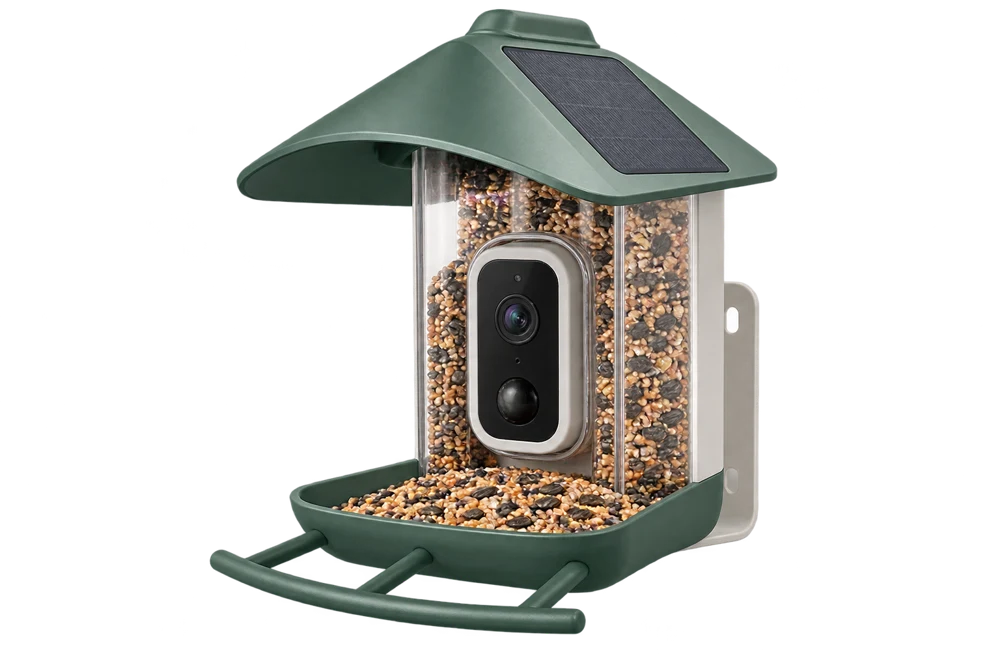
Smart bird feeders pair a camera with AI species recognition, sending a photo and a name to your phone every time a bird stops by. We set up the leading camera feeders in the same yard and compared image quality, how accurately each identified species, and whether useful features hide behind a subscription. These six are the ones worth mounting on a pole.
Quick verdict
The Bird Buddy is the best smart bird feeder overall thanks to sharp photos, reliable AI identification, and a polished app. For the best value, the Netvue Birdfy delivers similar core features for less, and the Birdfy Bamboo is the pick if you want a more sustainable, natural-looking design.
Shop this comparison
As an Amazon Associate, we earn from qualifying purchases. These links identify the specific variants shown below; check Amazon for current prices, sellers and availability. Other models discussed remain included for comparison.
| Linked model / variant | Use in this comparison | Product page |
|---|---|---|
| Bird Buddy | best overall AI feeder | View on Amazon ↗ |
| Netvue Birdfy Feeder | best value camera feeder | View on Amazon ↗ |
The best smart bird feeders, ranked
1. Bird Buddy — best overall AI feeder
Best for: Backyard birders who want the most polished photo-and-ID experience.
The Amazon link is for the Bird Buddy Pro Solar variant, with a camera and solar roof. Check the listing and current app plan for included identification features and any subscription requirements.
2. Netvue Birdfy Feeder — best value camera feeder
View Netvue Birdfy Feeder on Amazon ↗
Best for: Buyers who want strong features at a lower price than the leader.
The Birdfy offers solid image quality and AI identification for noticeably less than premium rivals. Optional accessories like a solar panel and hummingbird attachment extend its range.
3. Birdfy Bamboo — best eco-friendly design
Best for: Shoppers who want a sustainable, natural-looking feeder.
The Bamboo model swaps plastic for a bamboo housing while keeping the same camera and identification features. It blends into a garden better than glossy plastic units.
4. Wasserstein Smart Bird Feeder — best existing camera ecosystems
Best for: People who already own a compatible outdoor security camera.
This feeder is built to hold a separate smart camera you may already own rather than including its own. It is a flexible, lower-cost route if you want to reuse existing hardware.
5. Harymor Solar Bird Feeder Camera — best solar power
Best for: Users who want to avoid recharging the battery frequently.
An integrated solar panel helps keep the battery topped up, reducing how often you take the unit down to charge. It captures photos and video with on-device or app-based identification.
6. PeckPerk Smart Bird Feeder — best subscription-light use
Best for: Birders who want core features without ongoing fees.
PeckPerk focuses on delivering photos and species identification with minimal reliance on a paid subscription. It is a straightforward option for people wary of recurring costs.
Frequently asked questions
What is the best smart bird feeder?
The Bird Buddy is the best overall because it combines sharp photos, dependable AI identification, and an easy-to-use app. If you want to spend less, the Netvue Birdfy offers comparable core features at a lower price.
Do smart bird feeders require a subscription?
Not always. Many feeders identify common species and send photos for free, but some lock extras like unlimited cloud storage, longer video, or advanced collections behind a paid plan, so check the free tier before buying.
How accurate is the bird identification?
For common backyard species, identification is generally reliable on the leading feeders. Accuracy can dip with rare birds, poor lighting, or partially obscured views, so treat the AI label as a strong suggestion rather than a certainty.
How are smart bird feeders powered?
Most use a rechargeable battery, and many offer an optional or built-in solar panel to extend the time between charges. Placement in sunlight and the number of daily visitors both affect how often you need to recharge.
Last updated: July 2026.