We Tried the 7 Best Electric Toothbrushes in 2026
Michal ElyasafJul 273 min read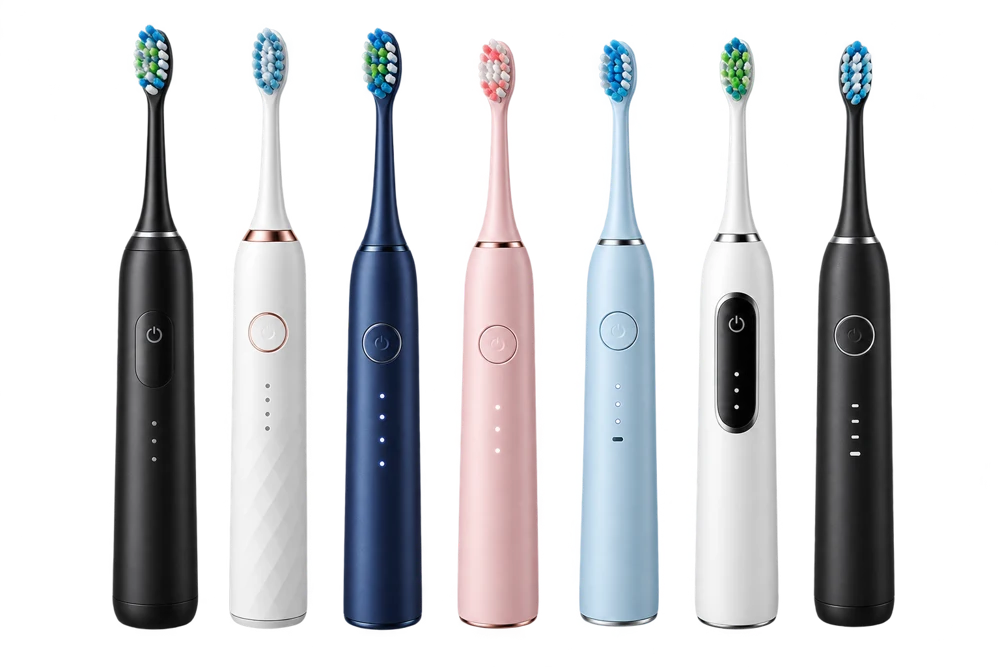
An electric toothbrush is one of the cheapest upgrades you can make to your daily health routine, but the field ranges from twelve-dollar spinners to smart brushes with pressure sensors and apps. We brushed with the leading models to sort genuine cleaning performance from marketing. Here is our ranking.
Quick verdict
The Oral-B iO Series is the best electric toothbrush for most people, blending a gentle oscillating clean with a genuinely useful pressure sensor. The Philips Sonicare DiamondClean is the best sonic brush for sensitive gums, the Oral-B Pro 1000 is the best value, and Suri is the most sustainable pick.
Shop this comparison
As an Amazon Associate, we earn from qualifying purchases. These links identify the specific variants shown below; check Amazon for current prices, sellers and availability. Other models discussed remain included for comparison.
| Linked model / variant | Use in this comparison | Product page |
|---|---|---|
| Oral-B Pro 1000 | best value | View on Amazon ↗ |
| Philips Sonicare ProtectiveClean 4100 | best simple sonic clean | View on Amazon ↗ |
The best electric toothbrushes, ranked
1. Oral-B iO Series — best overall
Best for: most people who want a top-tier clean with smart feedback.
Its magnetic drive feels quieter and smoother than older Oral-B motors, and the light-ring pressure sensor teaches you not to scrub too hard. Battery life and brush-head selection are excellent.
2. Philips Sonicare DiamondClean — best sensitive gums
Best for: people who find oscillating brushes too aggressive.
The high-frequency sonic motion cleans thoroughly while feeling gentle on gums and enamel. Multiple intensity modes let you ease in over time.
3. Oral-B Pro 1000 — best value
View Oral-B Pro 1000 on Amazon ↗
Best for: shoppers who want proven cleaning without extras.
It delivers Oral-B's core oscillating clean and a basic pressure sensor at a fraction of flagship prices. There is no app, but the fundamentals are all here.
4. Philips Sonicare ProtectiveClean 4100 — best simple sonic clean
View Philips Sonicare ProtectiveClean 4100 on Amazon ↗
Best for: sonic fans who want reliability over gadgetry.
A single clean mode, a pressure sensor, and a two-minute timer cover the essentials well. It is a low-maintenance daily driver.
5. Suri Sustainable Toothbrush — best sustainability
Best for: eco-minded buyers who want repairability and recyclable heads.
It uses plant-based, recyclable brush heads and a repairable body with a long battery life. A slim, travel-friendly design is a nice bonus.
6. quip Electric Toothbrush — best travel and simplicity
Best for: minimalists and frequent travelers.
The slim vibrating brush runs on a replaceable battery and sticks to mirrors with a suction mount. Cleaning is gentle rather than powerful, but it is the easiest to live with on the road.
7. Colgate hum — best budget smart brush
Best for: first-time buyers curious about app tracking.
It pairs a modest sonic clean with an app that maps where you brush. Performance is entry-level, but it is an affordable way to build better habits.
Frequently asked questions
What is the best electric toothbrush in 2026?
The Oral-B iO Series is our best overall pick because it combines an effective oscillating clean with a helpful pressure sensor and smart feedback. It works well for most mouths and budgets that can stretch to a premium brush.
Are sonic or oscillating toothbrushes better?
Neither is universally better; both clean well when used correctly. Oscillating brushes like Oral-B can feel more powerful, while sonic brushes like Philips Sonicare tend to feel gentler, which many people with sensitive gums prefer.
Is an expensive electric toothbrush worth it?
For most people the biggest gains come from switching to any electric brush with a two-minute timer and pressure sensor. Features like apps and multiple modes are nice but optional, so a value model like the Oral-B Pro 1000 is plenty for many users.
How often should I replace the brush head?
Replace the brush head roughly every three months, or sooner if the bristles splay outward. Worn bristles clean less effectively regardless of how good the handle is.
Last updated: July 2026.